Talking Forests
November 2025 – March 2026
Collaborative duo Caitlin and Anj Webb-Ellis have been selected for our first Awarded Residency, with the guiding theme of Talking Forests.
As they begin a six-month residency in The Gardener’s Cottage, they will be participating in classes, exploring the garden and joining volunteers and participants at events, learning about the Forgan community and what makes us tick.
They’re interested in meeting people of all ages, finding out about the surrounding ecology – and understanding the relationships between them all.
Keep an eye on our Events page for forthcoming happenings as part of the Talking Forests programme.
About their practice
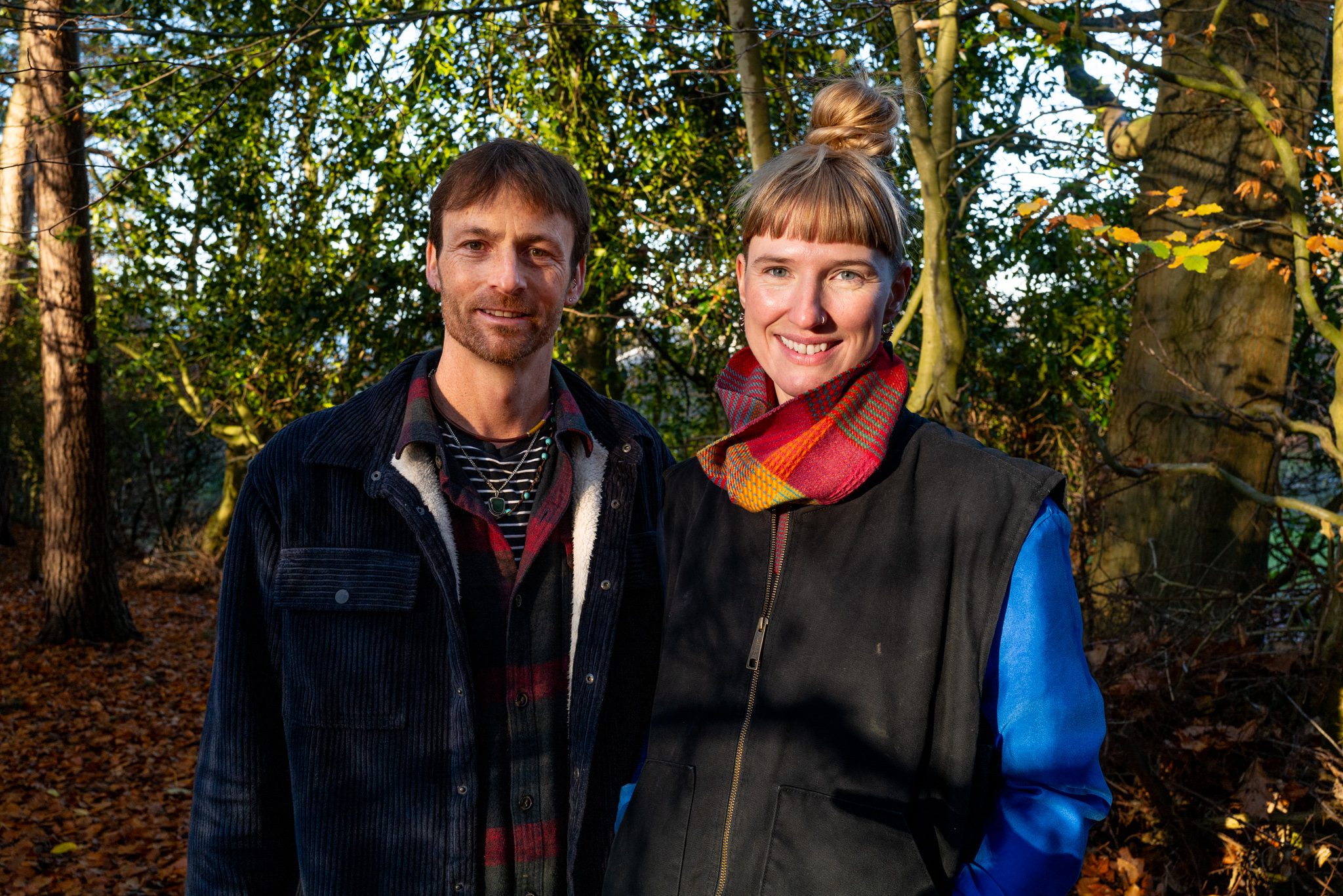
Webb-Ellis are British/Canadian artist filmmakers. Using film, dance, music and installation, they create work which aims to offer participants and viewers ways to imaginatively access the political and philosophical, through the lens of the subconscious and the body.
Their practice is socially engaged and many of their projects take place over an extended period, working closely with people and specific places. Their research methods are somatic and collaborative, weaving together themes of ecological interconnectedness, posthumanism, relationality, adolescence, and the collective imaginative experience.
Webb-Ellis are facilitators of Philosophy for Children and recipients of the Jerwood Film and Video Umbrella Award 2019. Recent work includes ‘Let’s Make It Faster’ – a film and installation commissioned by MIMA, Middlesbrough, and ‘This place is a message’ – an extended educational project and film commissioned by Cement Fields and jointly funded by Paul Hamlyn Foundation.
Visit the artists' website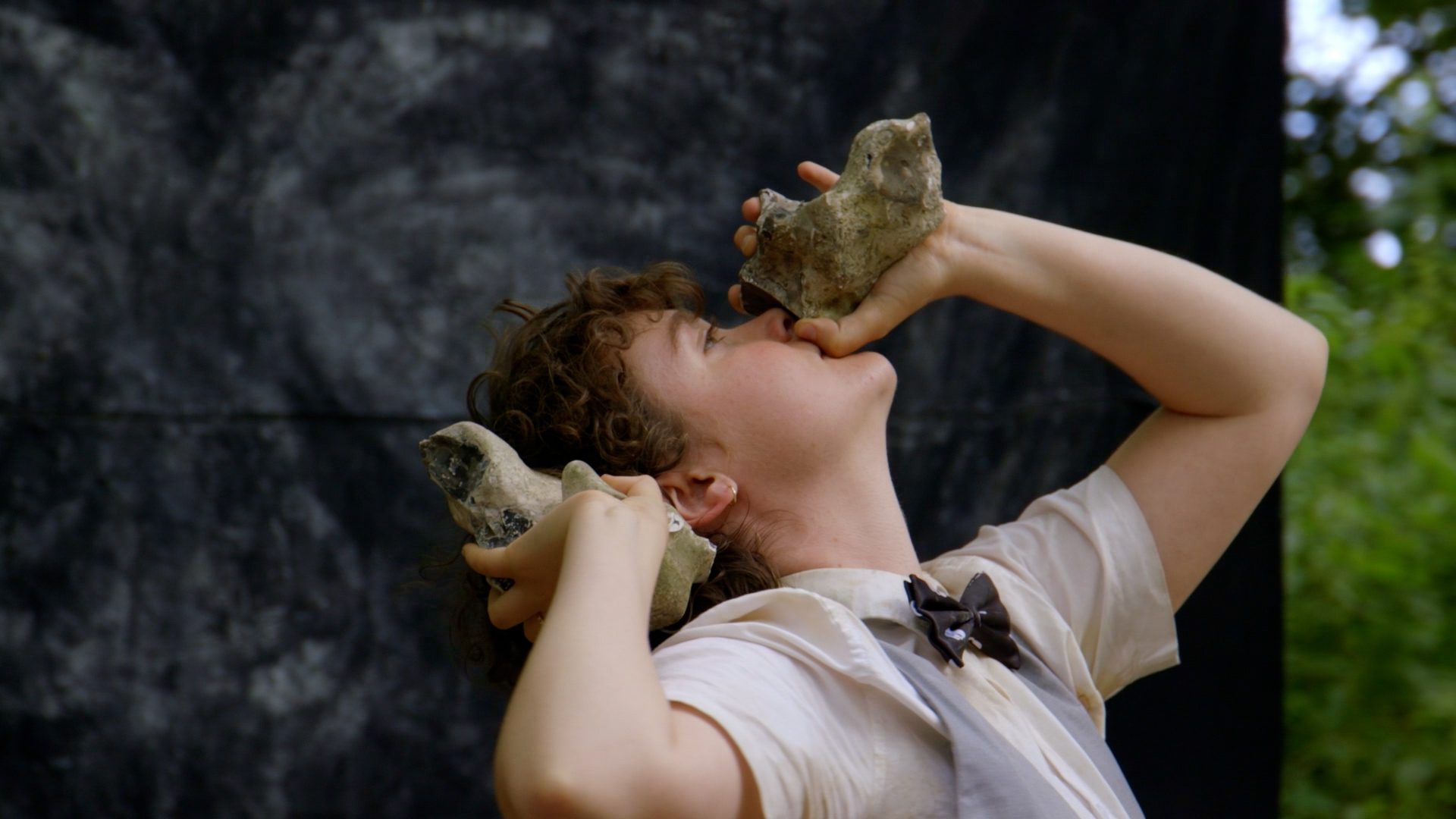
Residency Diary
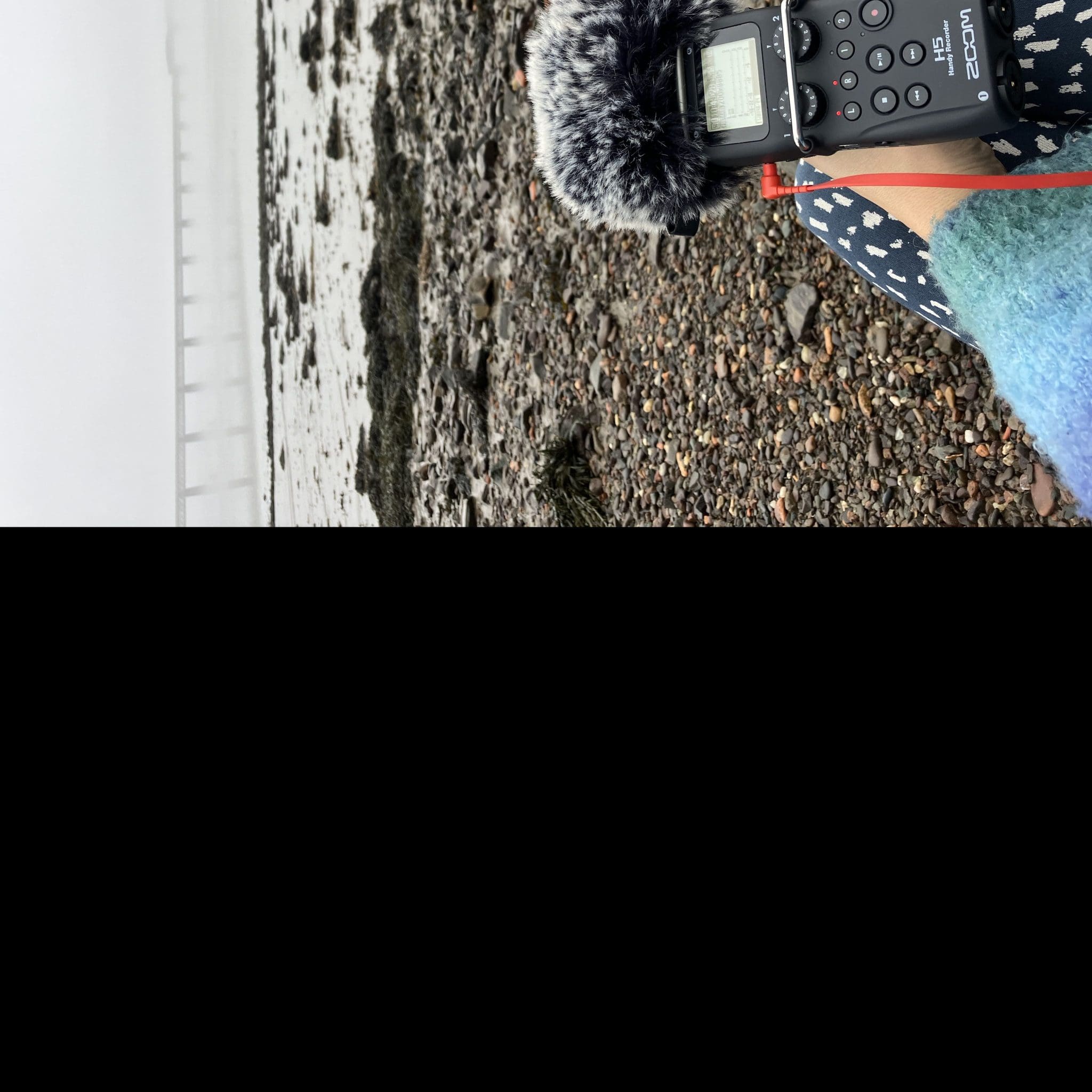
This page documents some of the socially engaged moments of our 6 month residency at Forgan Arts Centre, Scotland. We spent around 1 week per month on site, often with our young daughter – hosting workshops, developing research, having conversations (both human and more-than-human!) and experimenting. One of the outcomes of the residency was a two-screen film installation called ‘Let the river run both ways’, which combines sound and images recorded through the workshops and research of the residency.
You can watch the trailer for the film by pressing play on the image to the right.
Survival Sessions
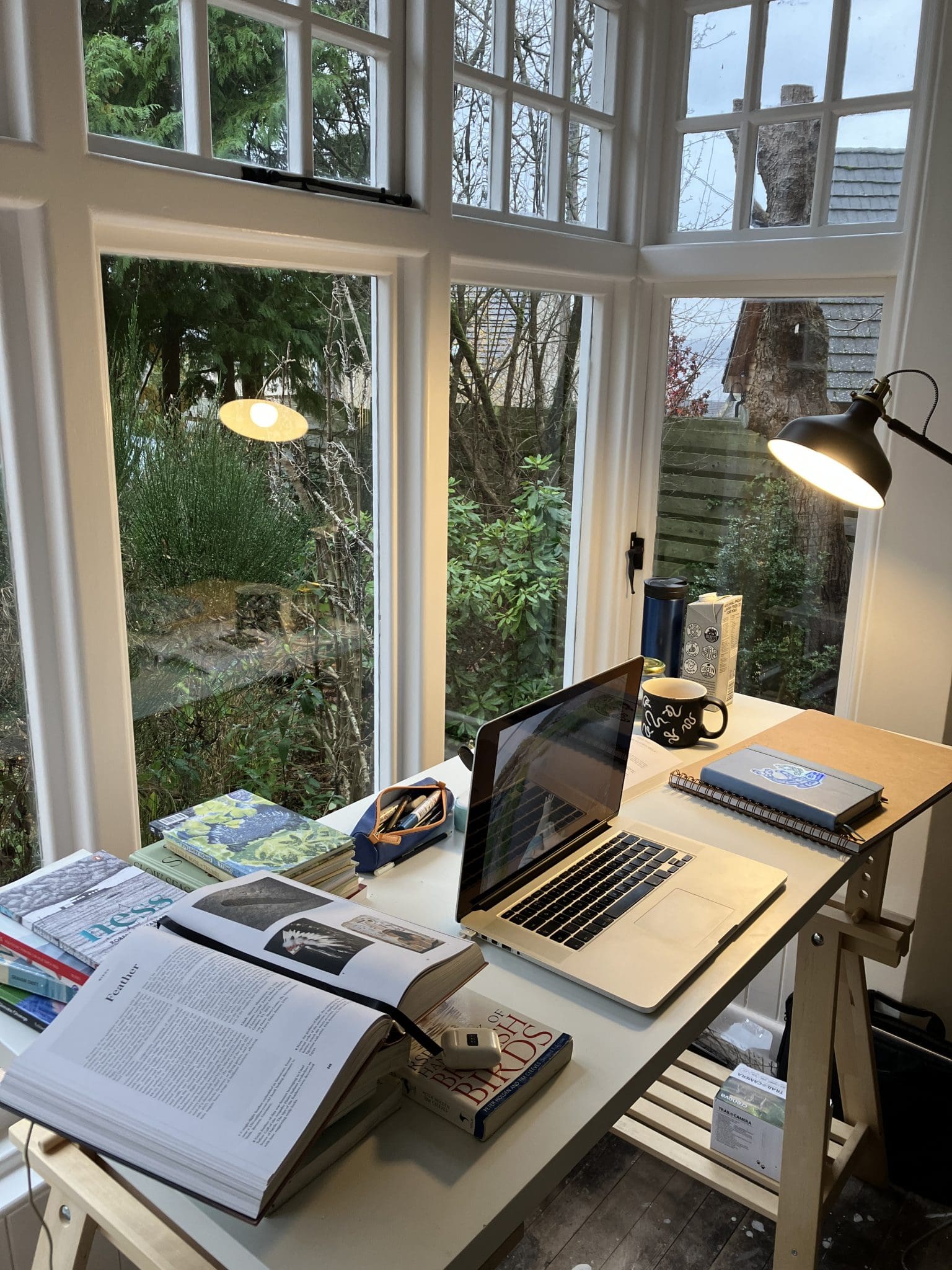
The core thread that ran through both the research and practice of our residency project was what we named the ‘Survival Sessions’ – a series of social, monthly evening gatherings in The Gardener’s Cottage where we were staying in the grounds of the art centre.
Each month we sent out an open invitation for people to gather with us, during the darkest months of the year, as we shared soup, snacks, short texts, films, ideas and questions that opened up conversations about our entanglements with the more-than-human world, and the stories we need to create liveable futures.
The idea behind the ‘survival sessions’ came from a sense that community, creativity, conversation and shared imagination are crucial strategies for survival in difficult and transformative times.
We wanted to open a space somewhere between a homely gathering of friends and a historical ‘social salon’ where space was opened up for philosophical reflection, art viewing, and ideas exchange in a relaxed domestic space. It was an open experiment and we were delighted to be joined by curious souls from many different backgrounds and walks of life, on some dark, wet winter evenings.
Some of the work discussed and shared included:
- The Body Is A Doorway by Sopie Strand
- Eustatic Drift, an 8-minute film by Keira Greene
- Arts of Living on a Damaged Planet: Ghosts and Monsters of the Anthropocene
- Is a River Alive? by Robert Macfarlane
The Relational River
The Relational River was a day-long workshop developed and led in collaboration with artist Laura Burns and Webb-Ellis, which took place on the banks of the River Tay estuary and also at Forgan Arts Centre. Through a mix of drawing, embodied land-based practice, and group conversation, the experimental workshop explored our relationships with the River Tay and its ecology. Spending time meeting the river in their own way, participants were invited to slow down and listen to the voice of the river and reflect on the sensations, images and words that emerged for them in that time. Time was dedicated to sharing and conversation as well as eating together.
Tidal Vessels
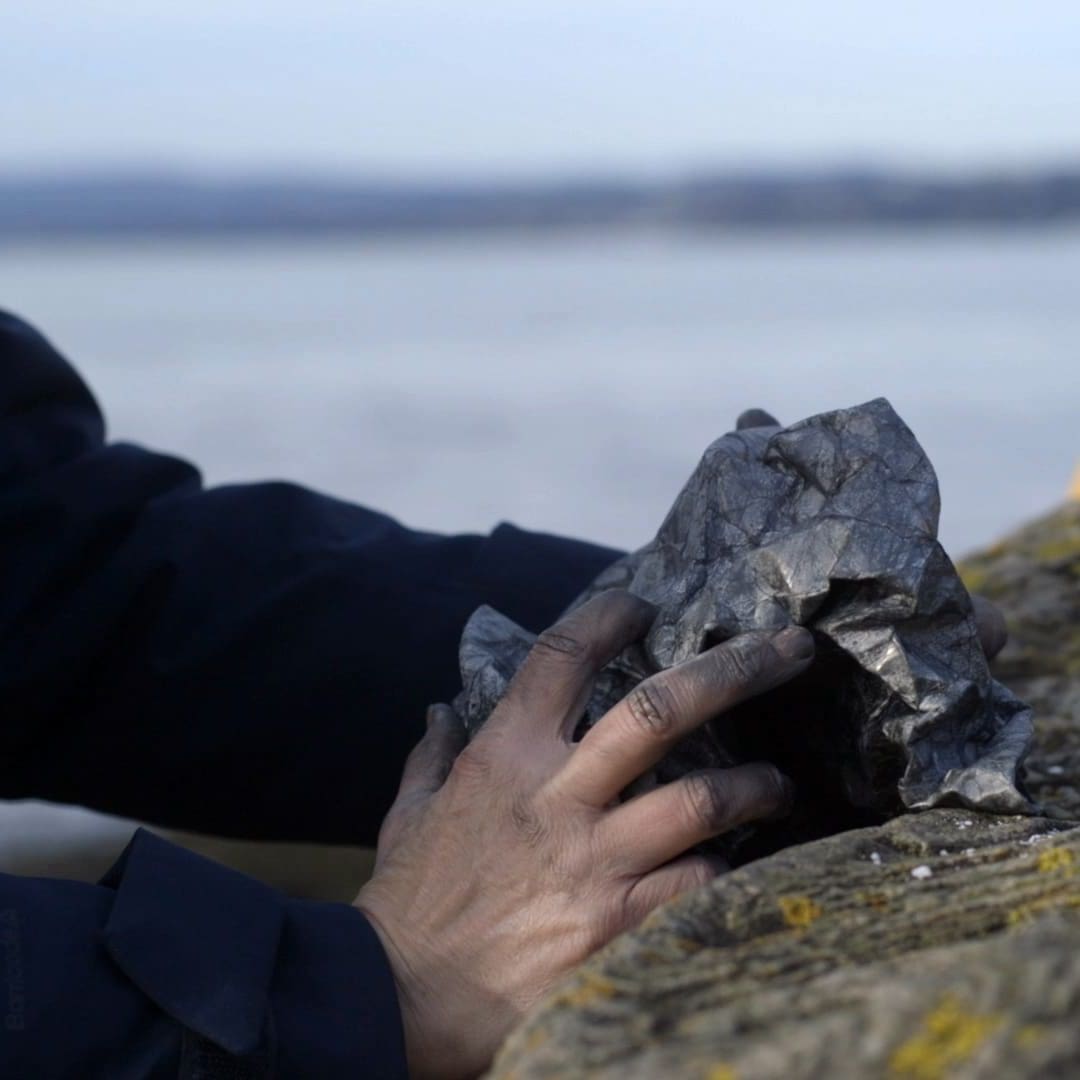
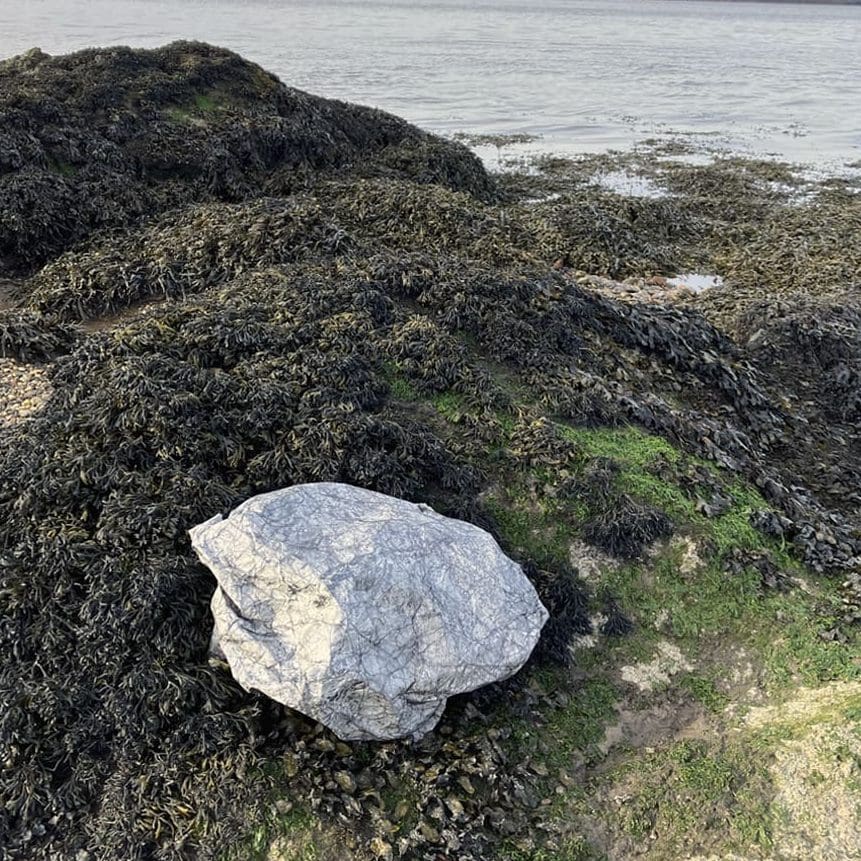
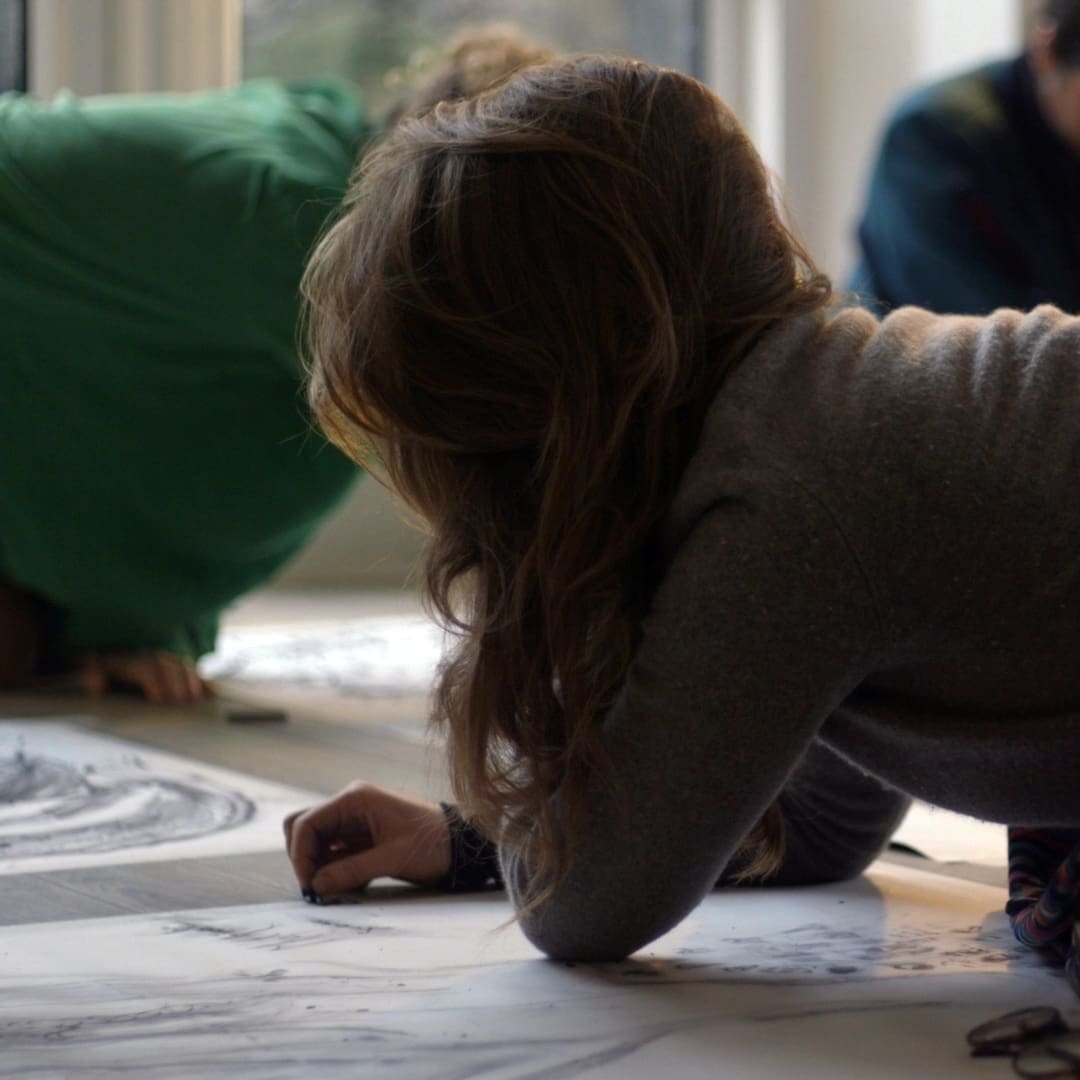
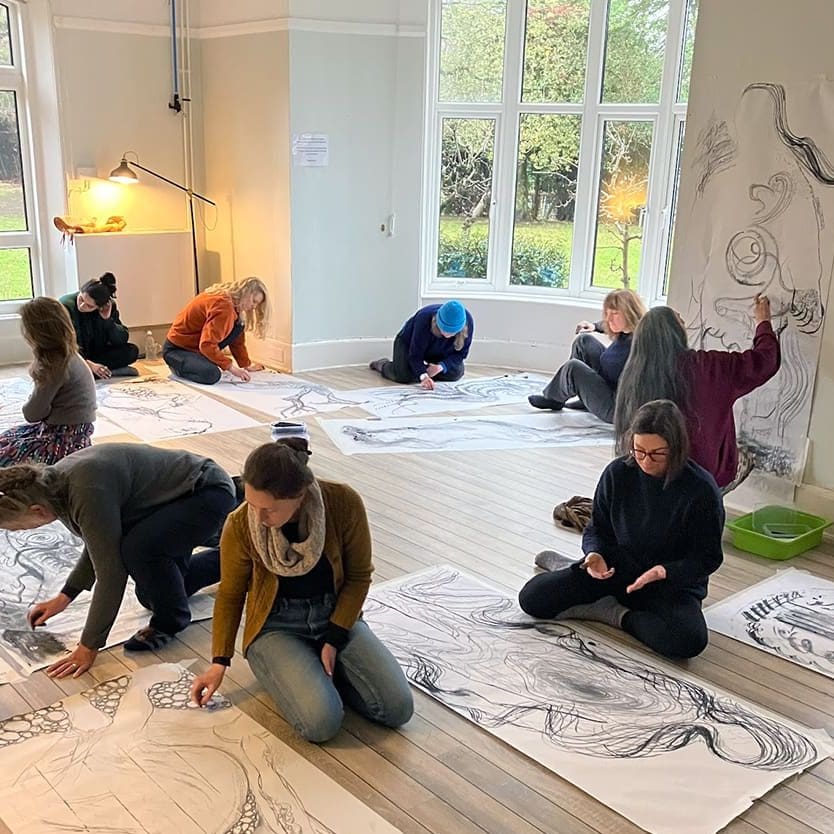
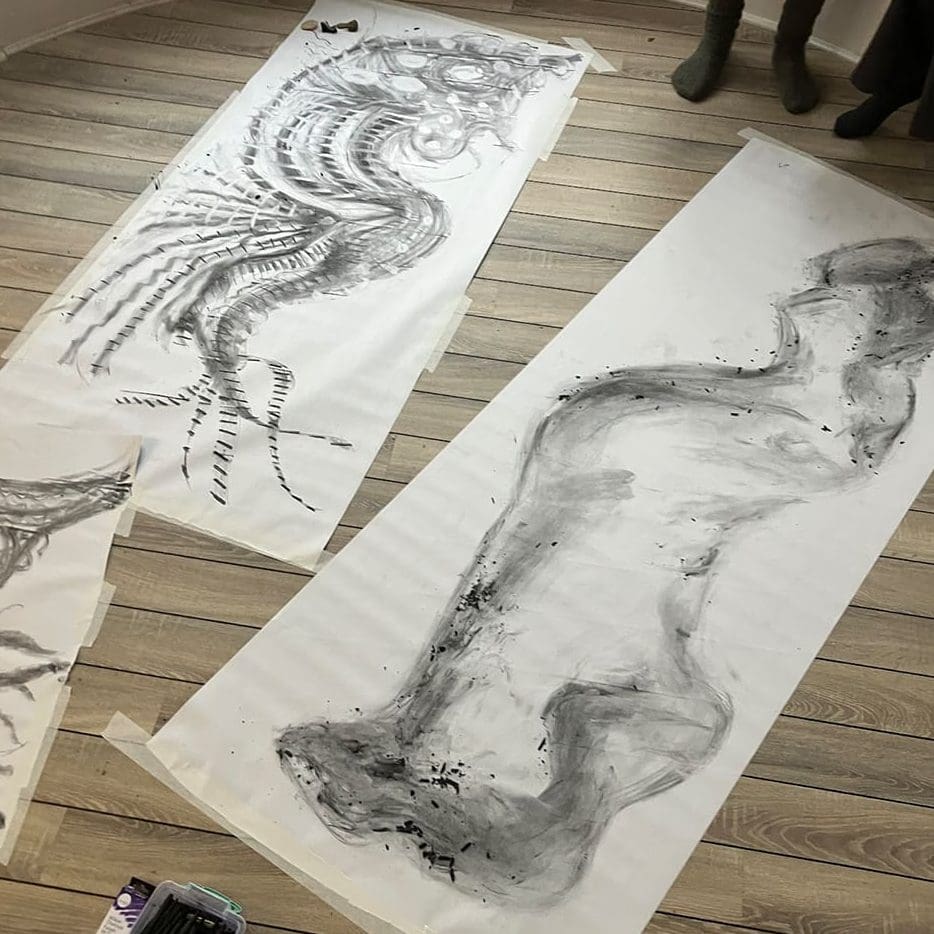
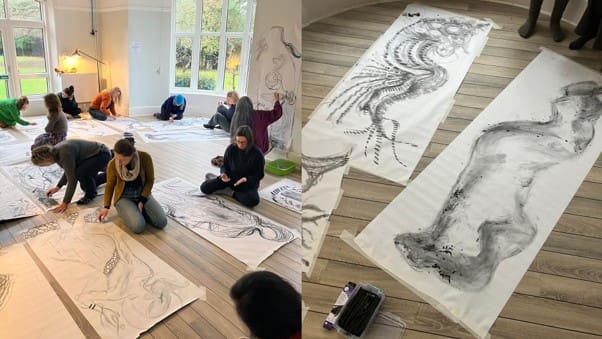
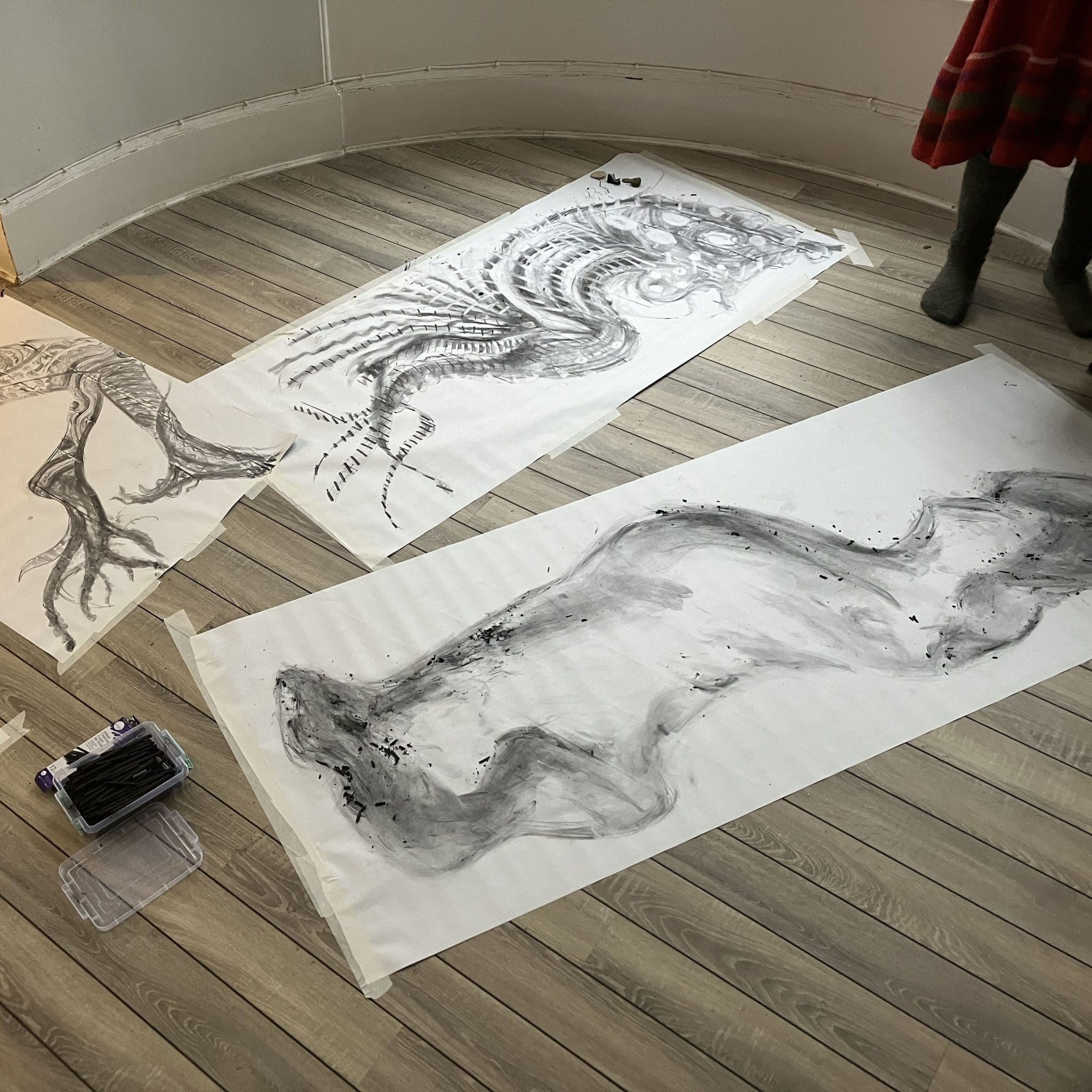
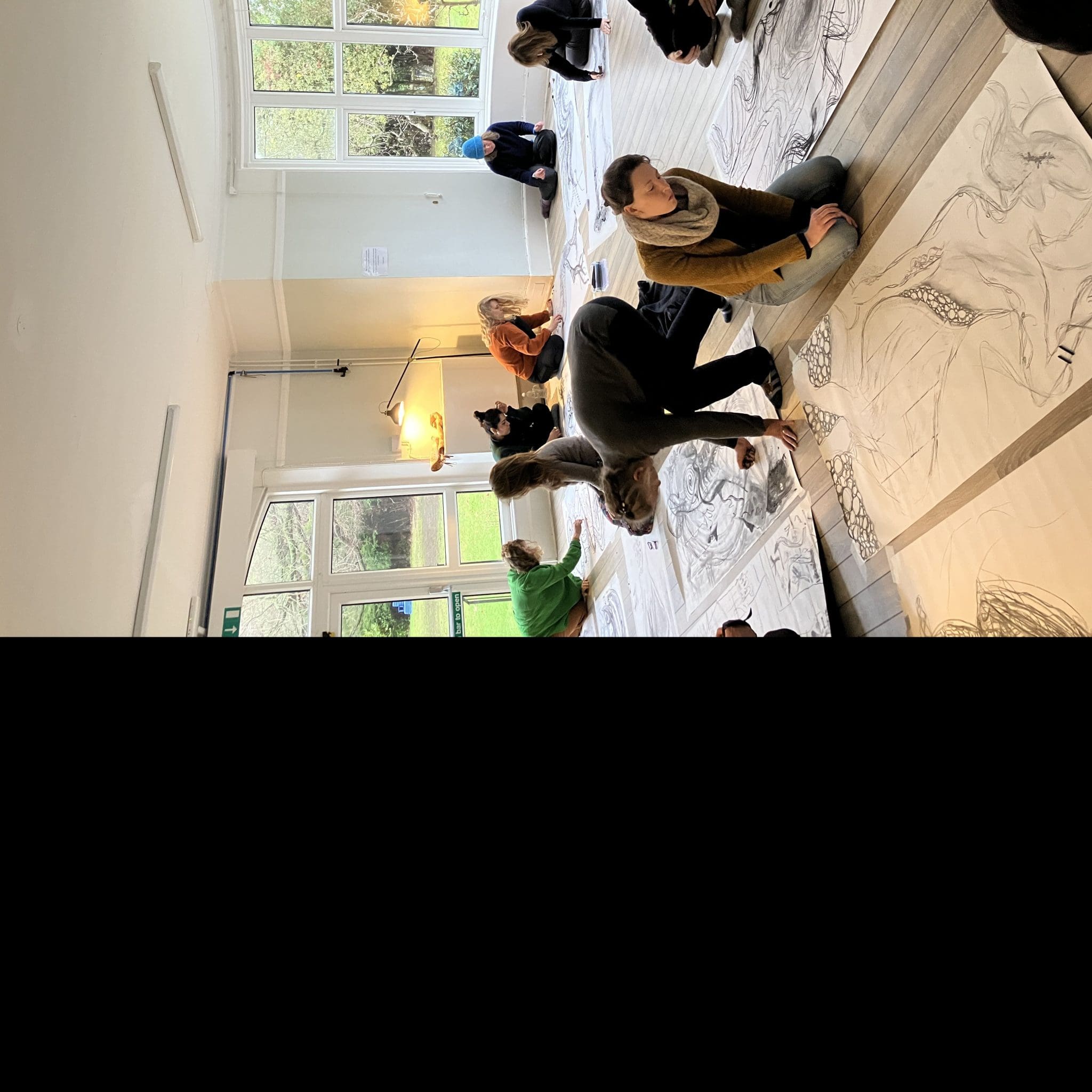
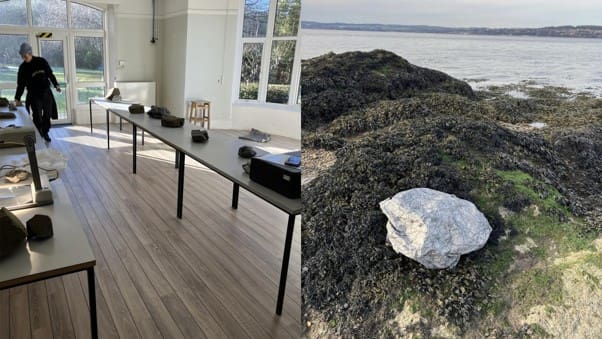
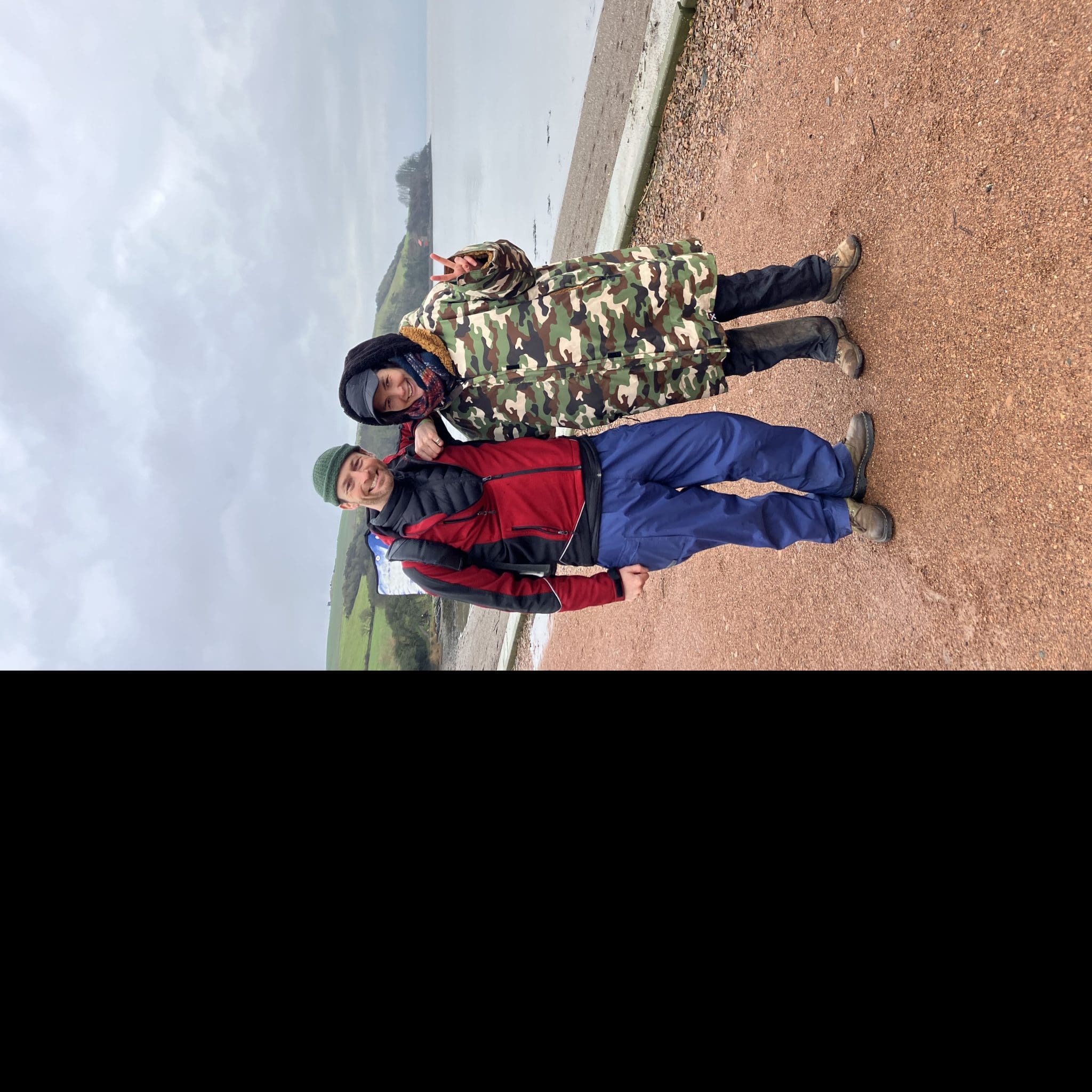
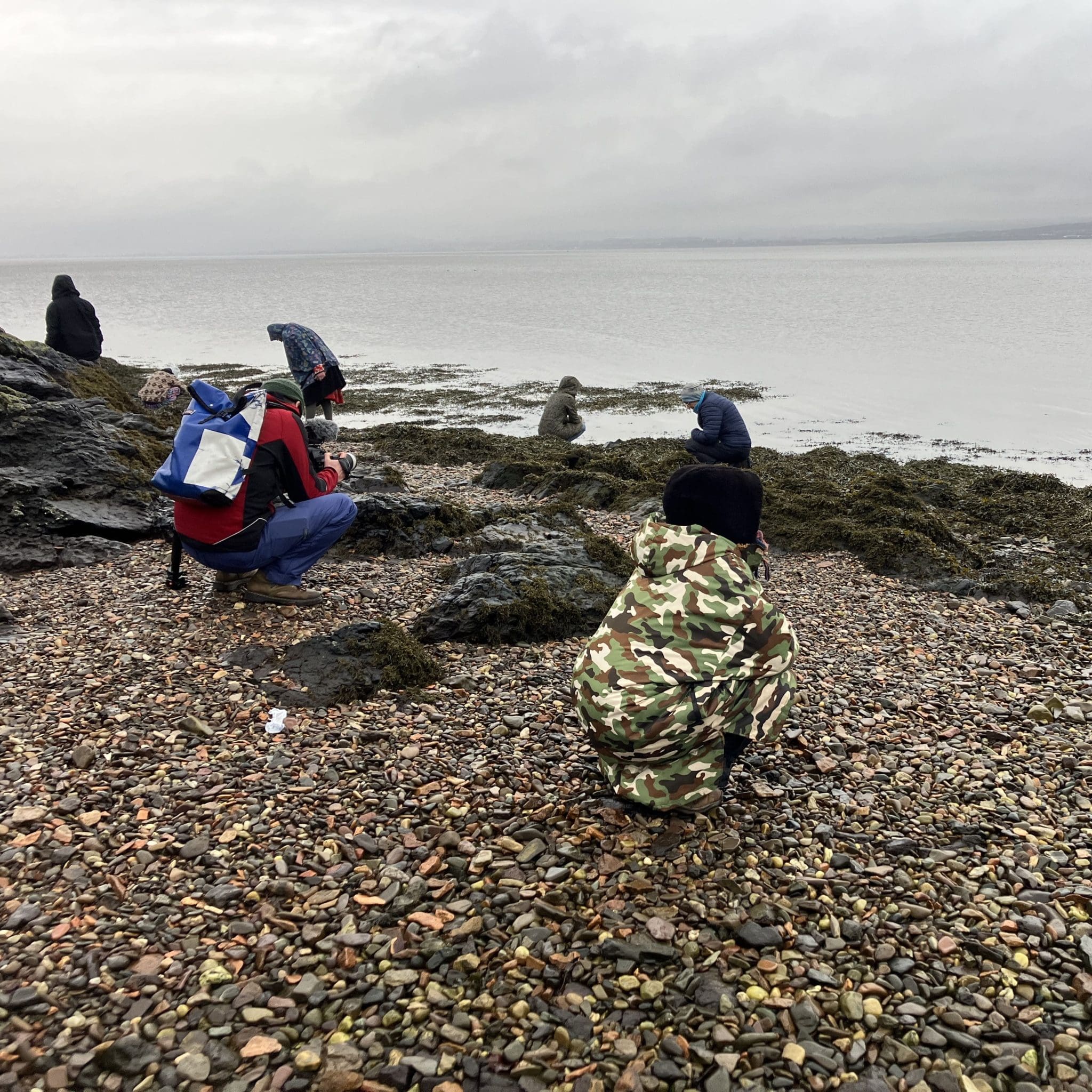
Tidal Vessels combined mark-making, sculpting materials, improvised movement practice, and creating collective scores. The day-long workshop was led by choreographer Lucy Suggate and visual artist Charlie Ford, and supported and filmed by Webb-Ellis. Activity took place both inside the art centre and by the River Tay, connecting participants into sensory exchange with the materials they were handling (paper, charcoal, stone, river water) and their environment. The core of the workshop was formed as an iteration of Lucy and Charlie’s ongoing work, ‘Tender Stones’. They said “The workshop ranges from the very tactile to the deeply reflective, creating windows for intuition, embodiment and collective sculpture.” As ever, we also shared food, conversations and laughter throughout the day as the group got to know one another.
Water & Wonder
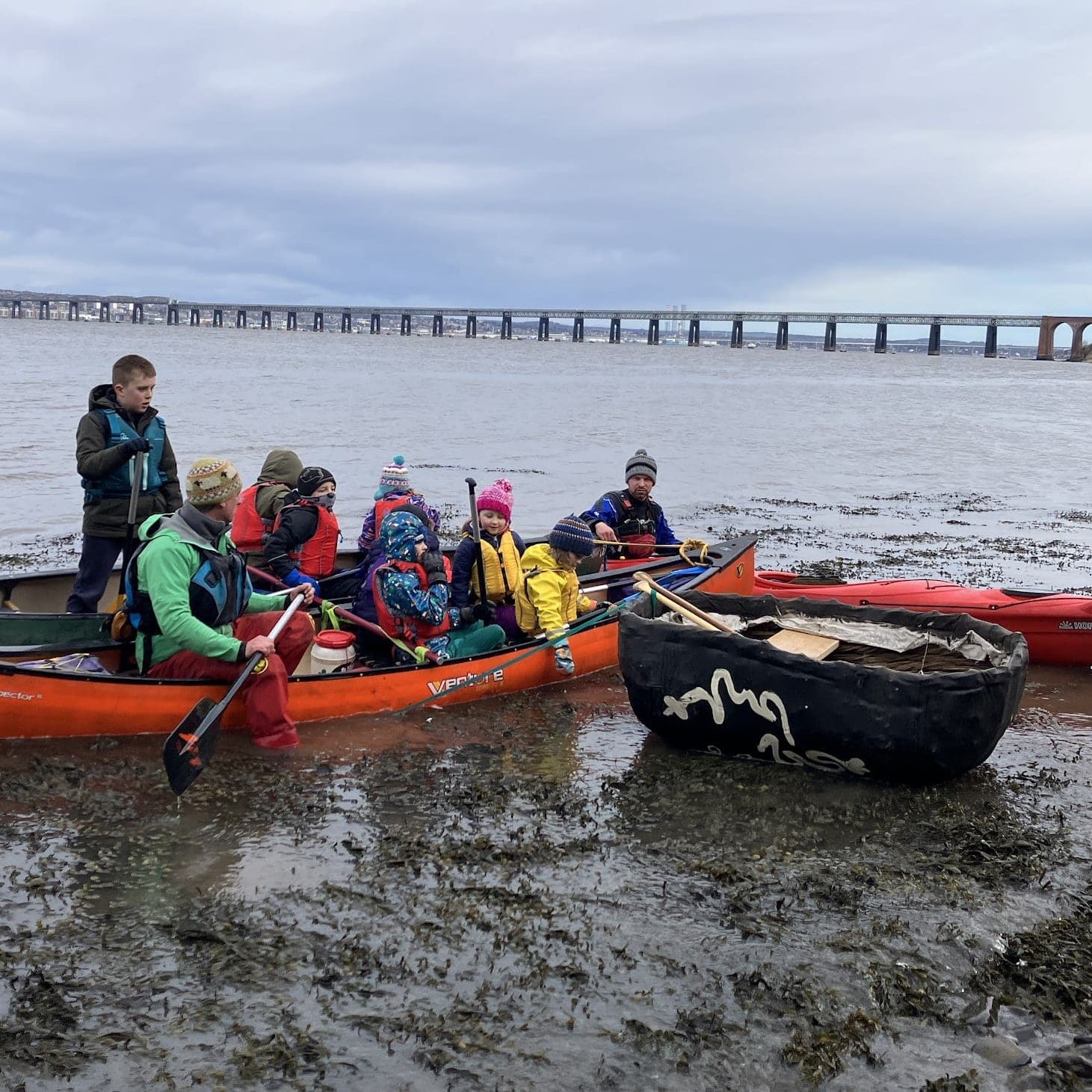
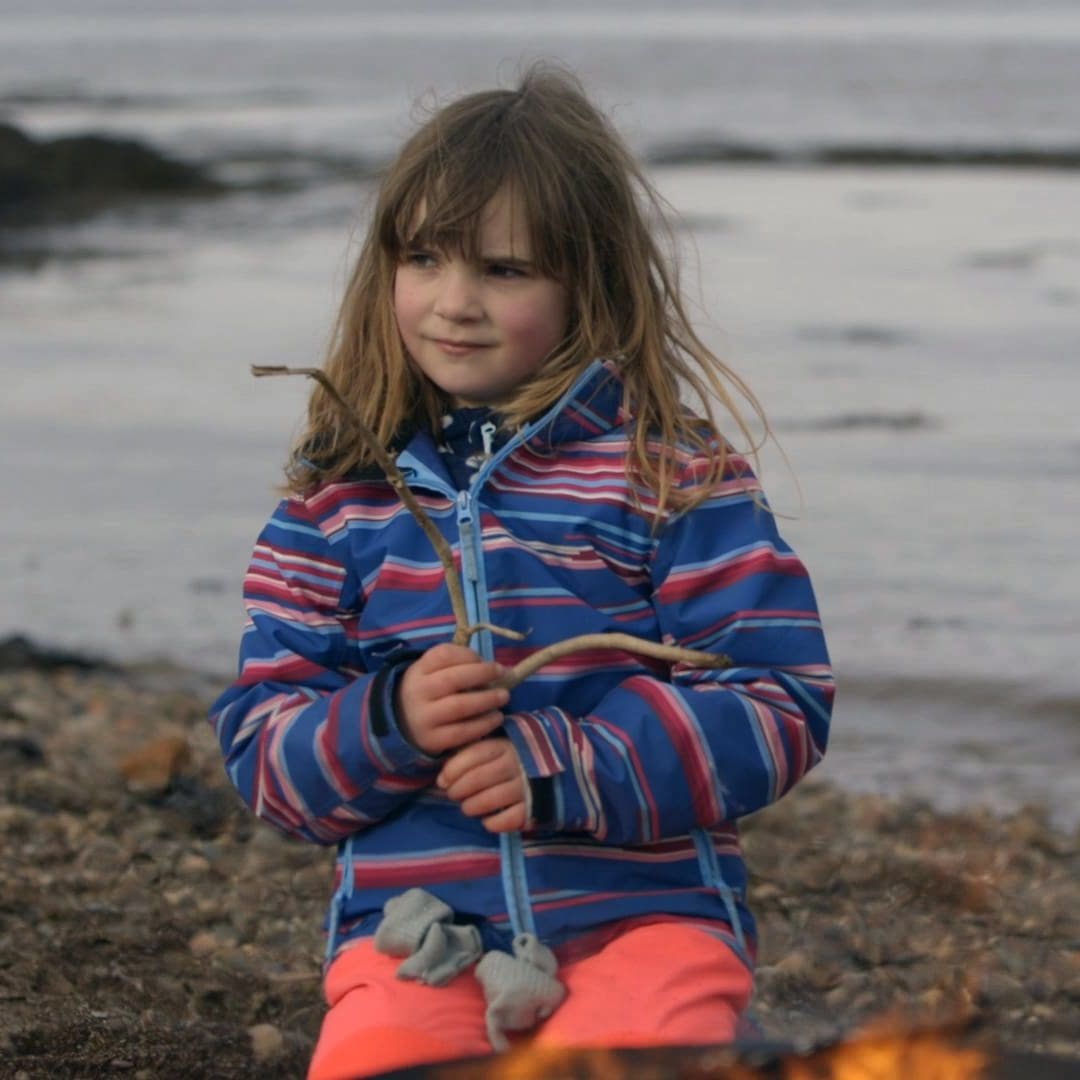
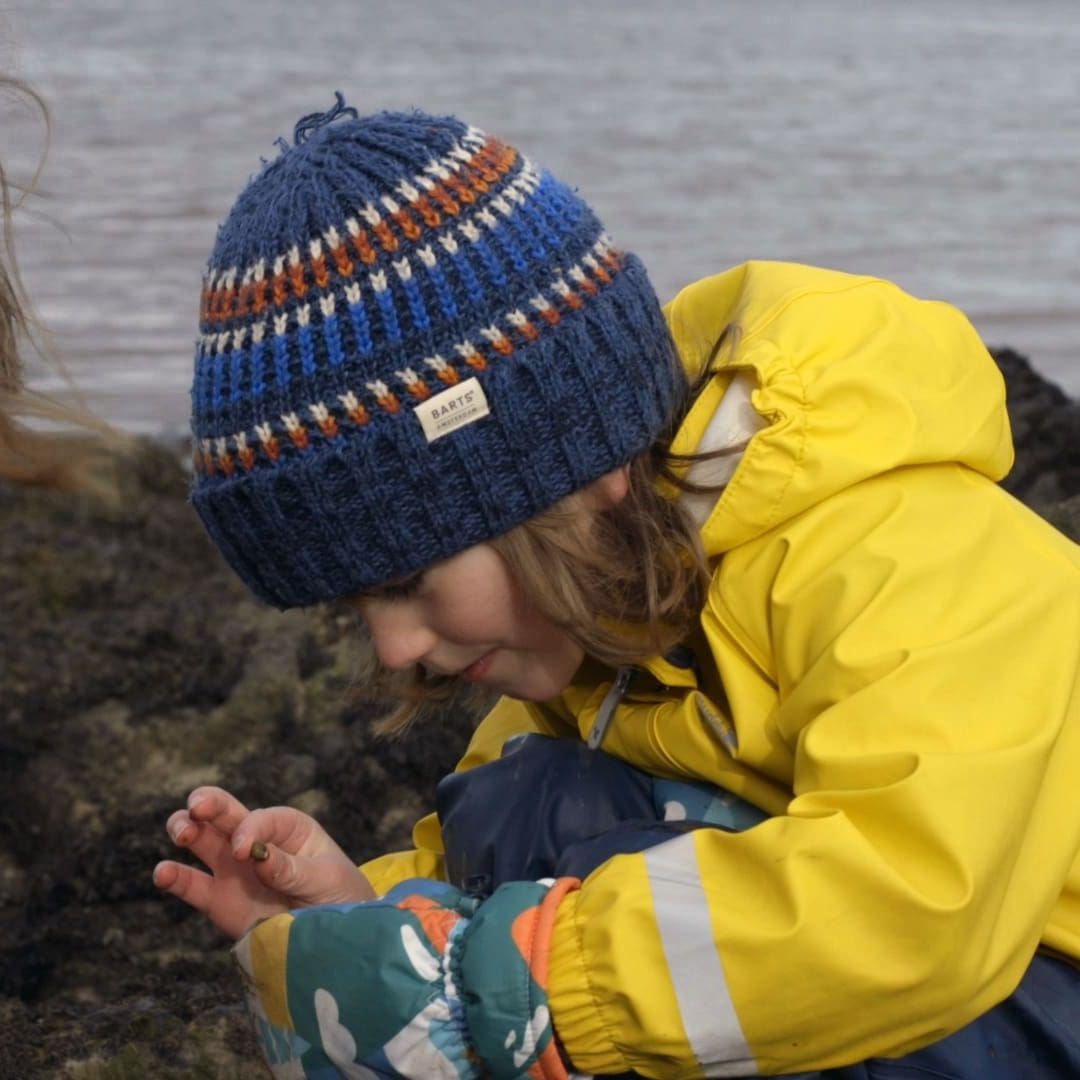
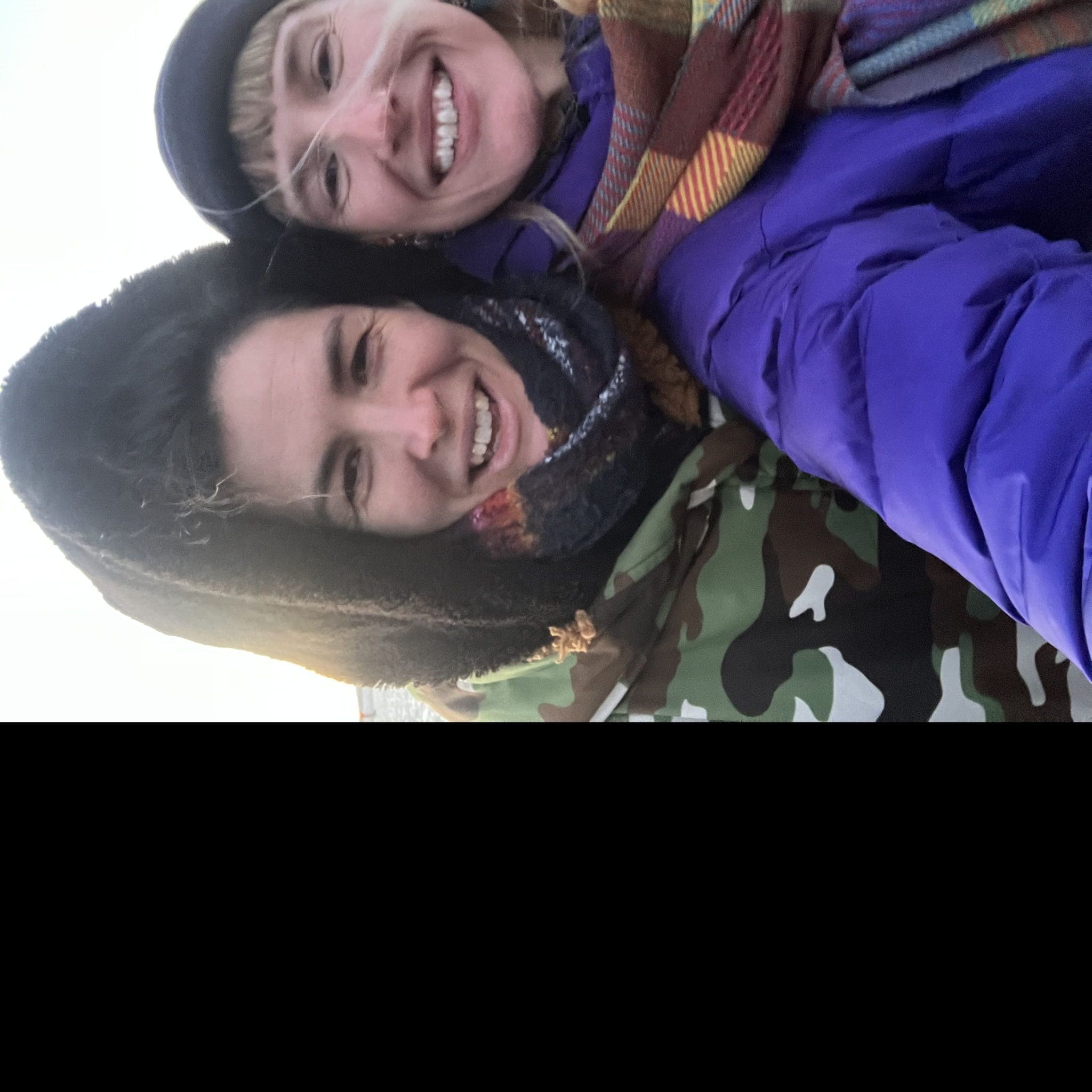
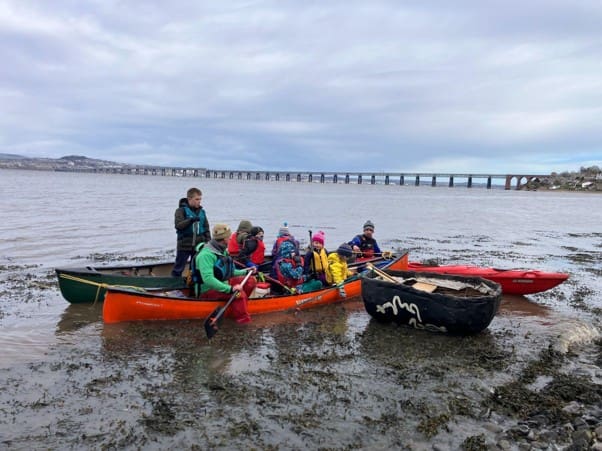
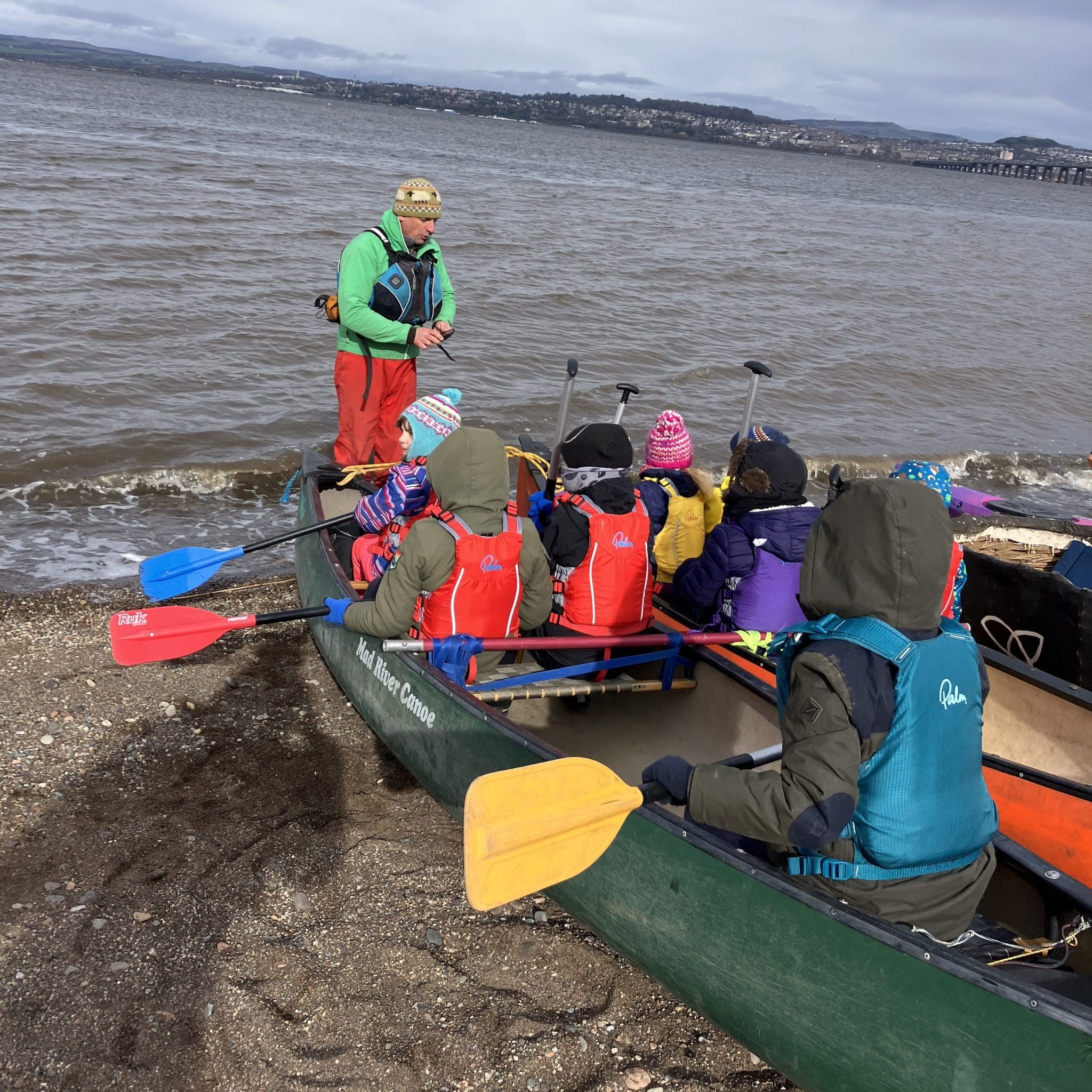
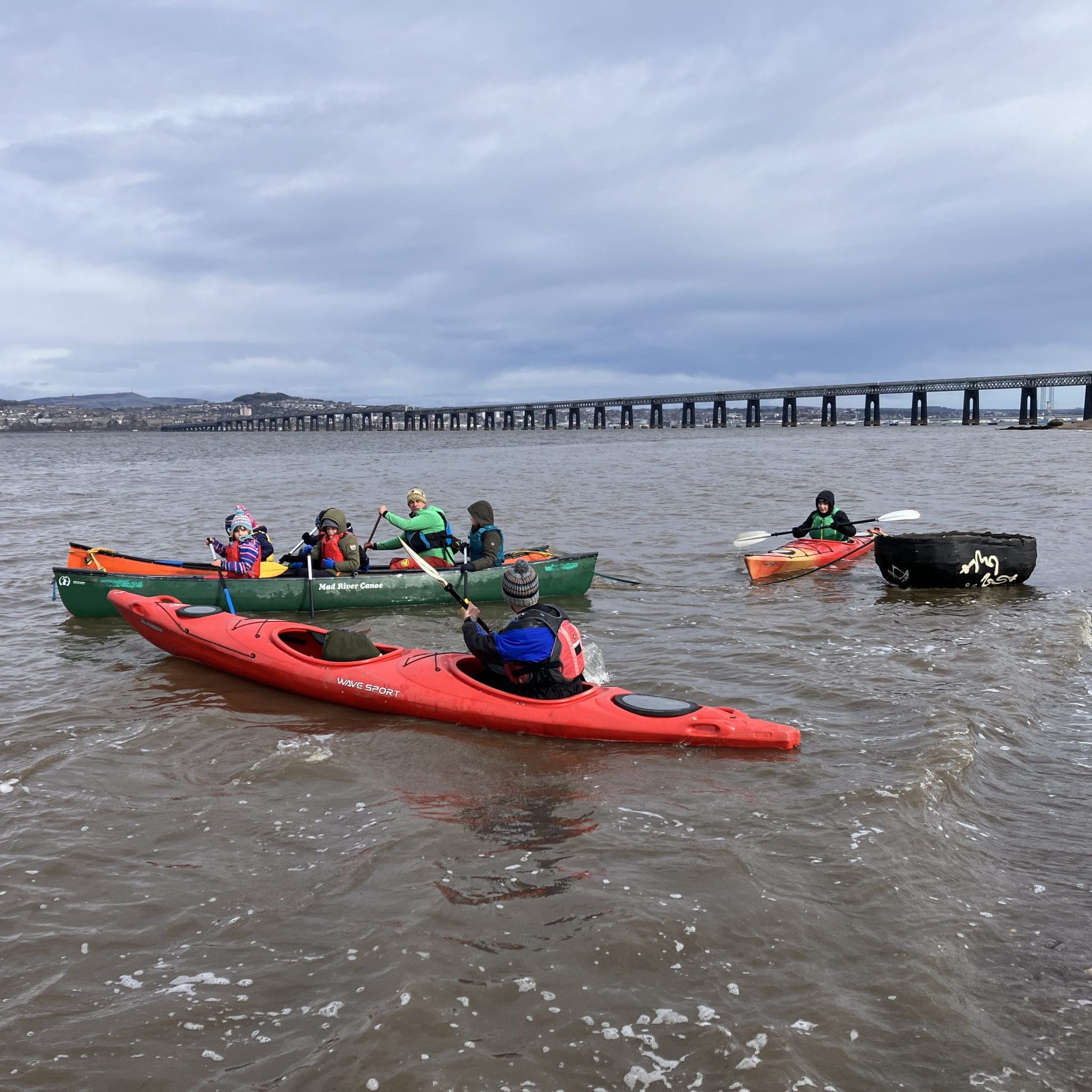
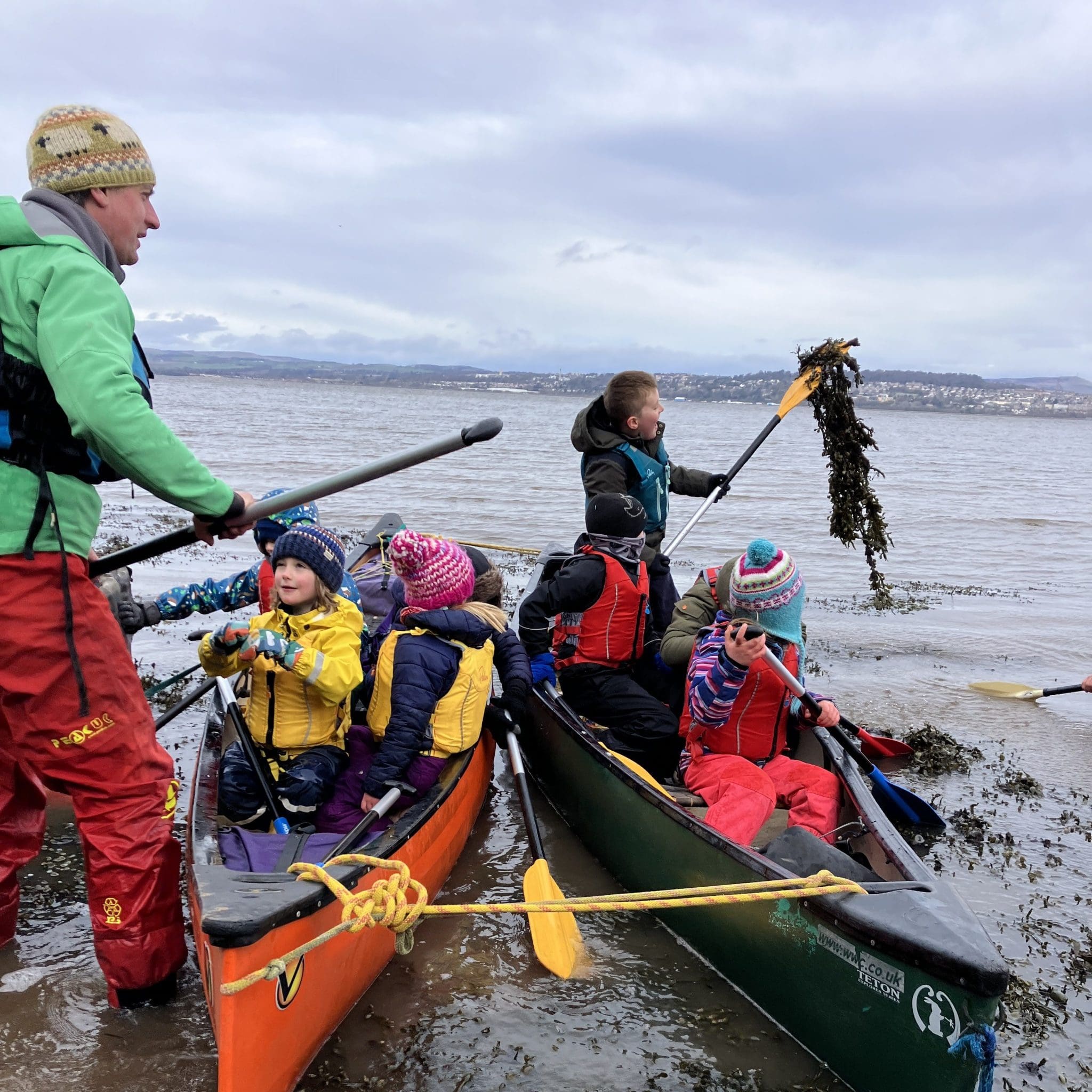
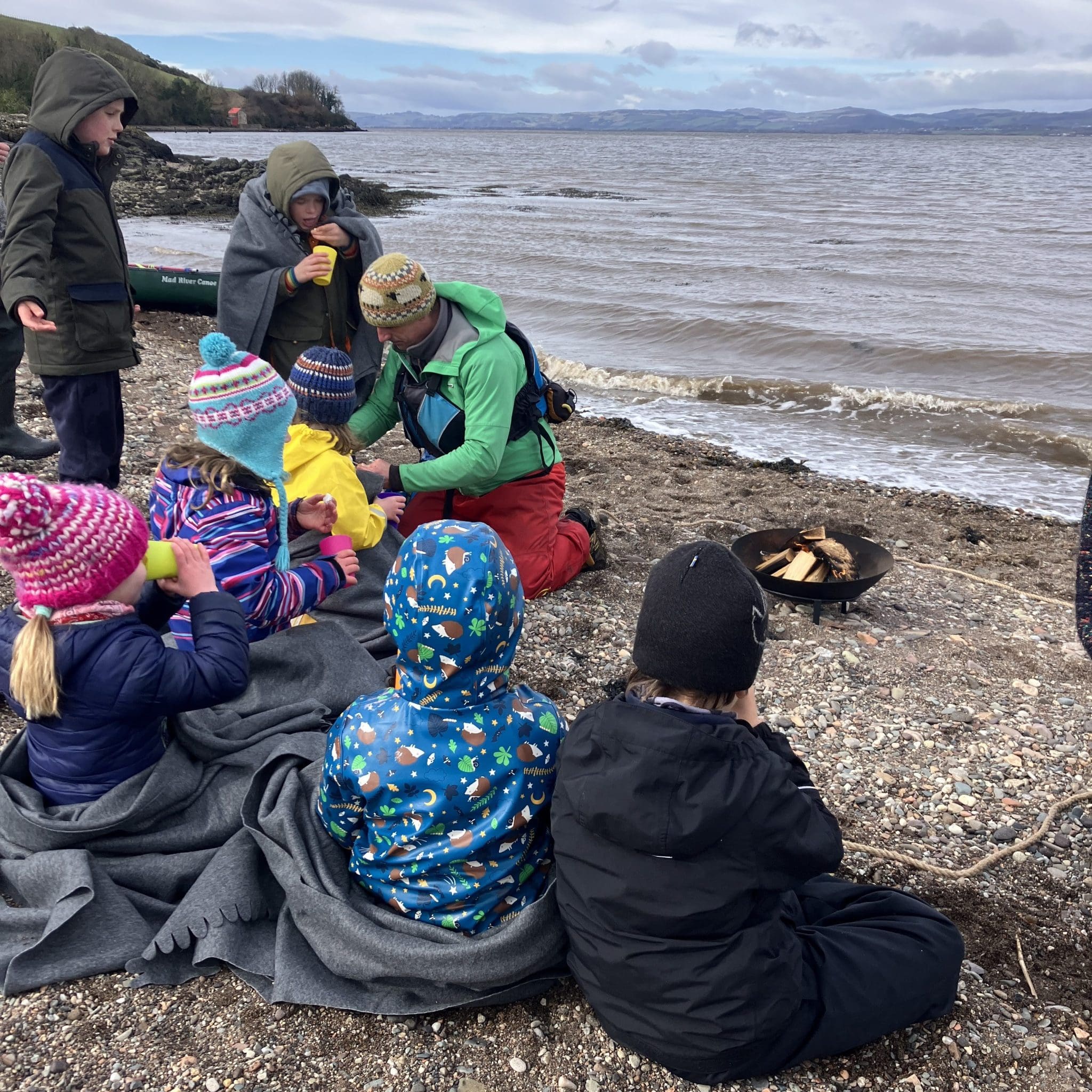
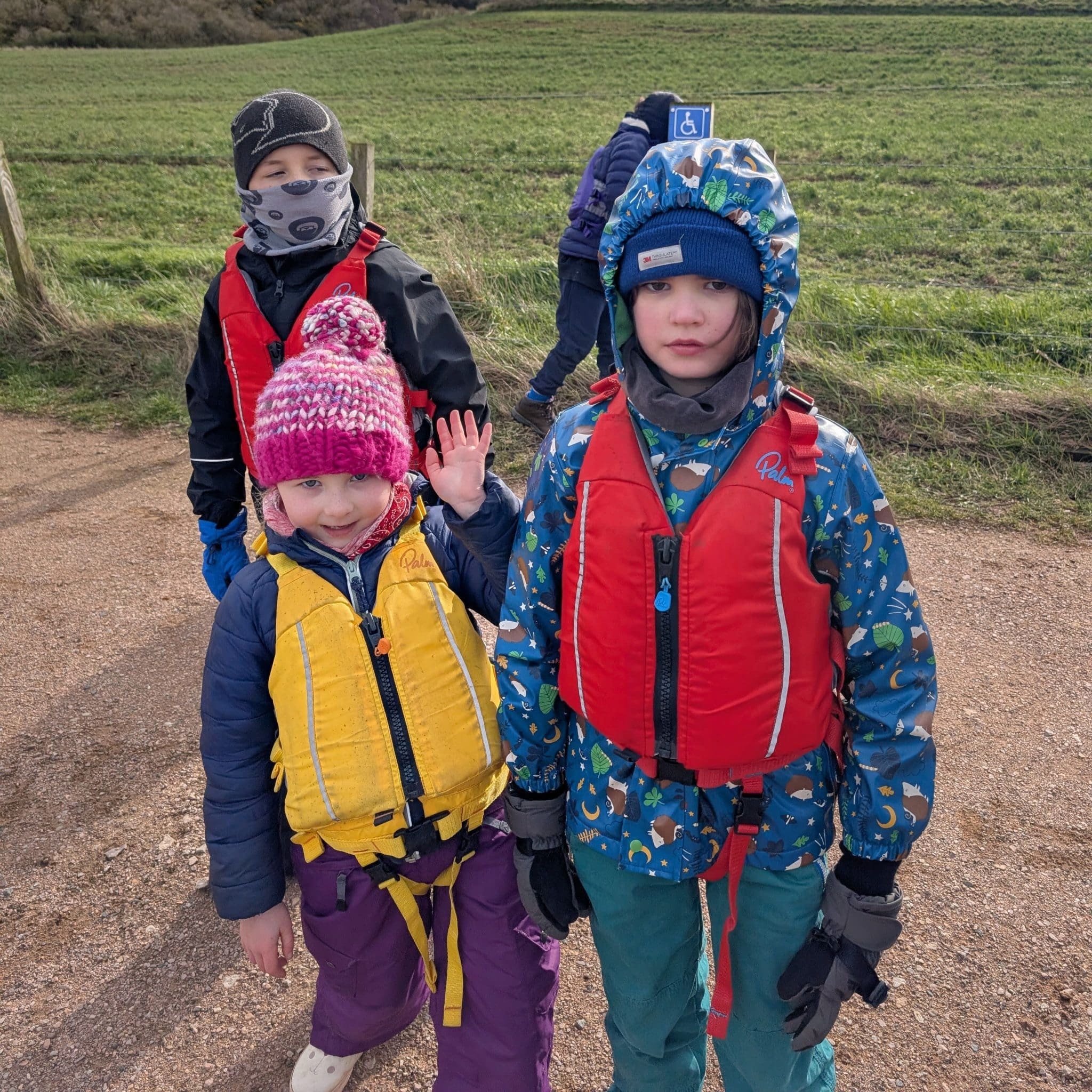
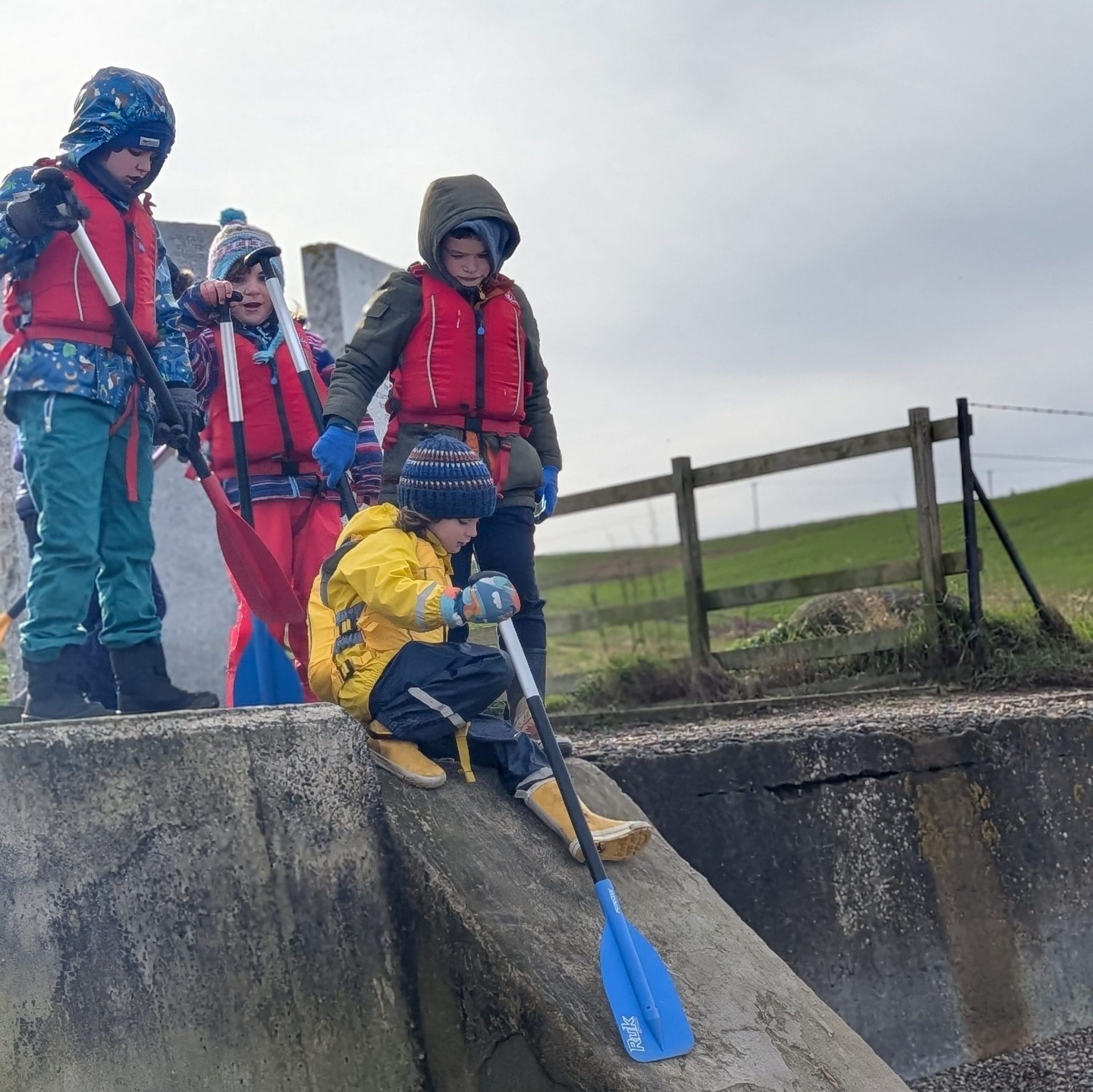
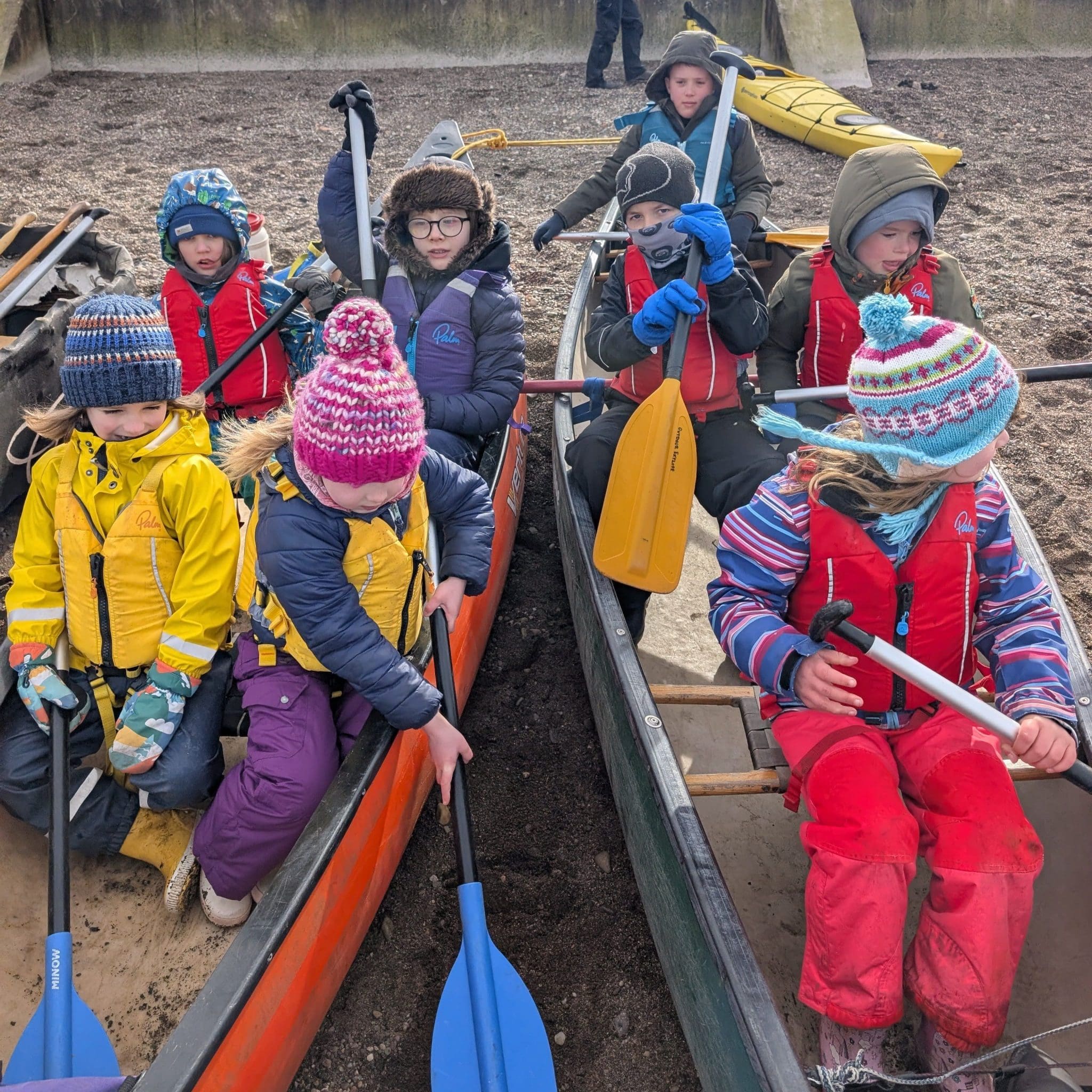
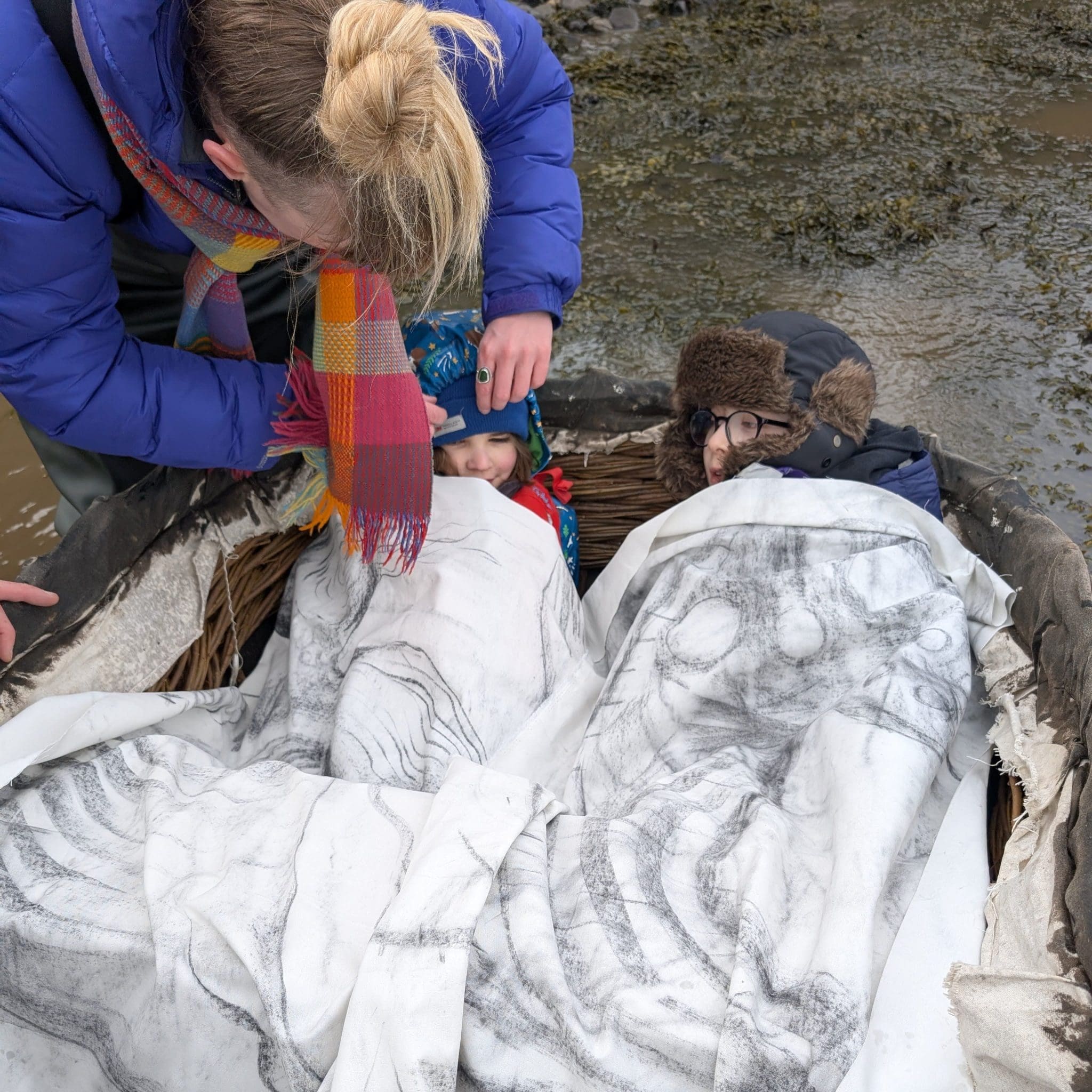
Water & Wonder was a Saturday morning adventure where a group of children aged 6-10 explored ideas relating to rivers, imagination, and the more-than-human world, through a combination of philosophy for children and time on the River Tay in kayaks, coracles and canoes. The workshop was a collaboration between Webb-Ellis, philosopher Grace Lockrobin and outdoor leader Piotr Gudan.
The question ‘Is a River Alive’ (inspired by Robert Macfarlane’s book of the same name) offered the core question for the children to reflect on as they moved from scavenging on the foreshore, onto the River Tay in the little boats, and back around the campfire with hot chocolate.
Final gathering and sharing event
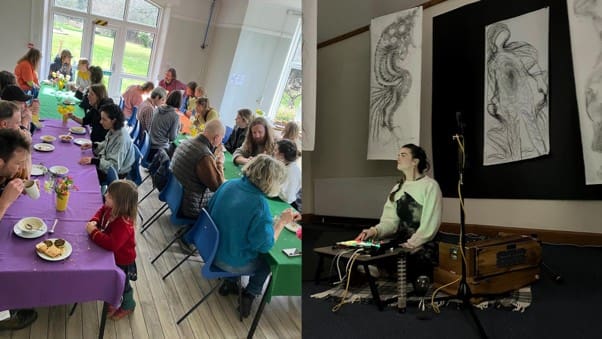
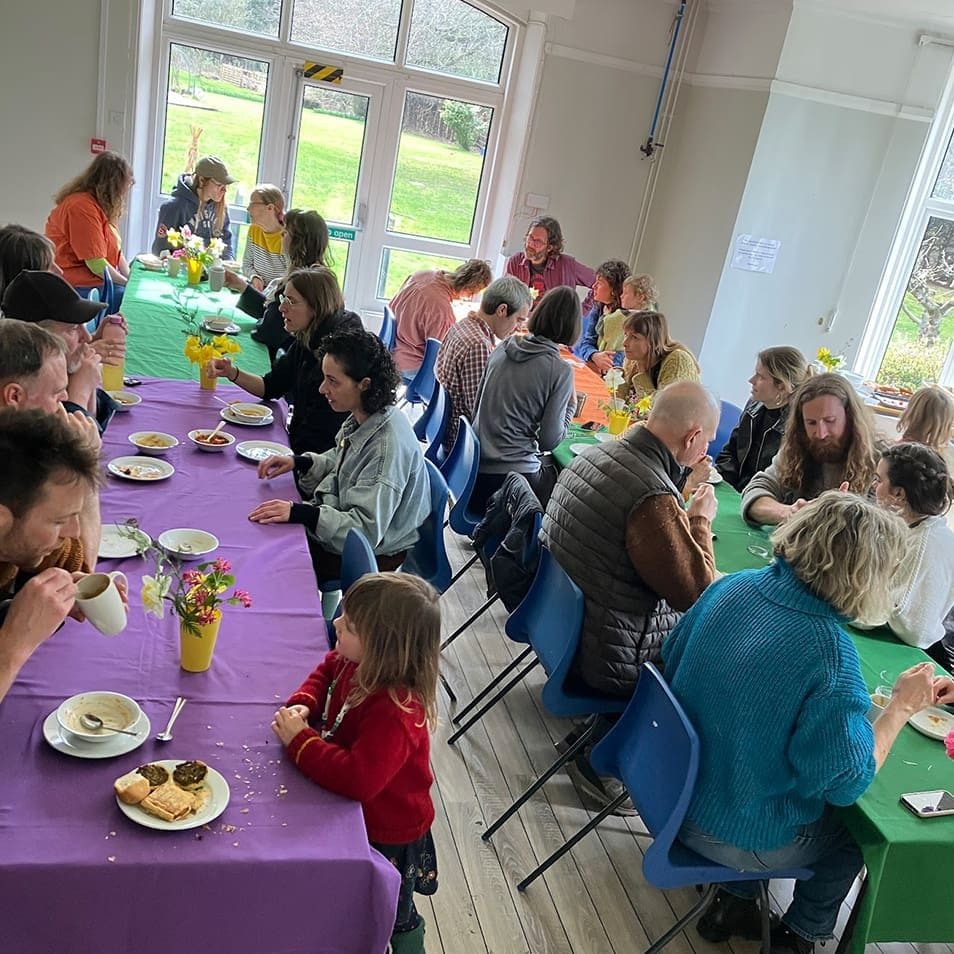
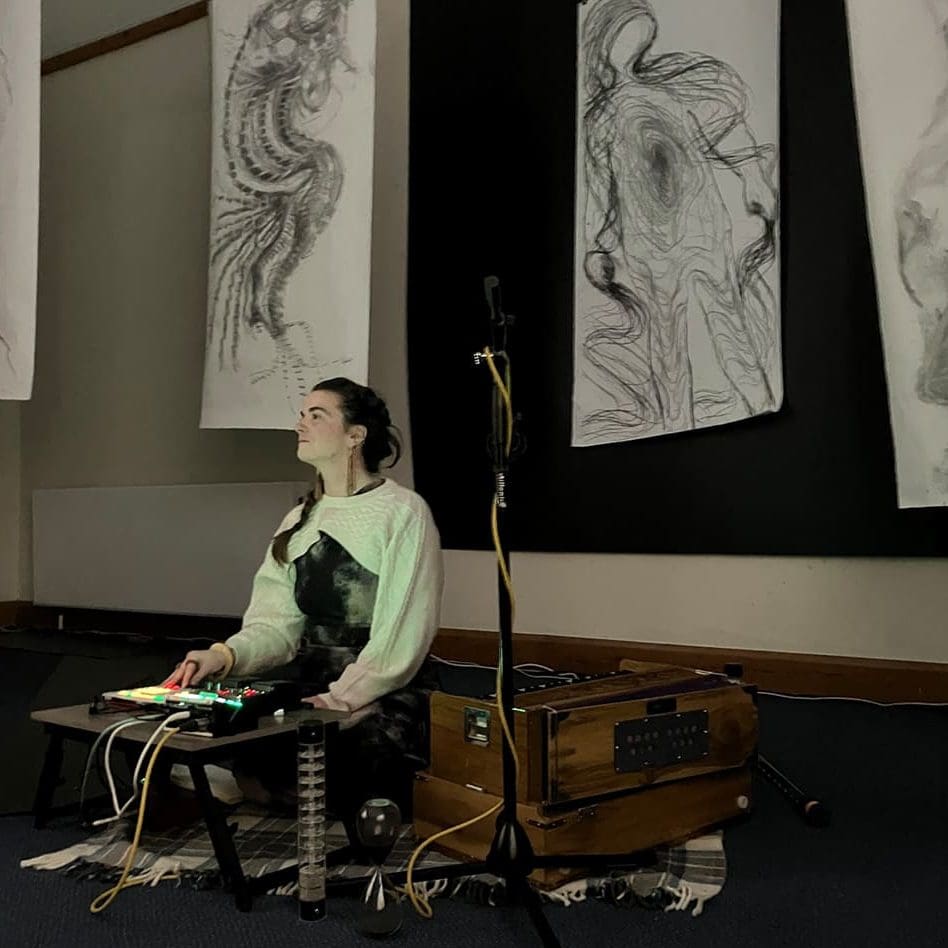
To celebrate the end of the residency, Webb-Ellis created a two-screen installation, ‘Let the river run both ways’, and invited their collaborator on the soundtrack, musician and artist Curlew/Gill Higgins to perform live alongside the installation. People gathered to experience the work, have lunch and watch Gill’s performance – many of them had taken part in workshops or gatherings throughout the residency and it was an opportunity to reflect on and celebrate what had taken place, as well as honoring the River Tay.